- Productos
Materias Primas Químicas Para:
Materias Primas Químicas Para:
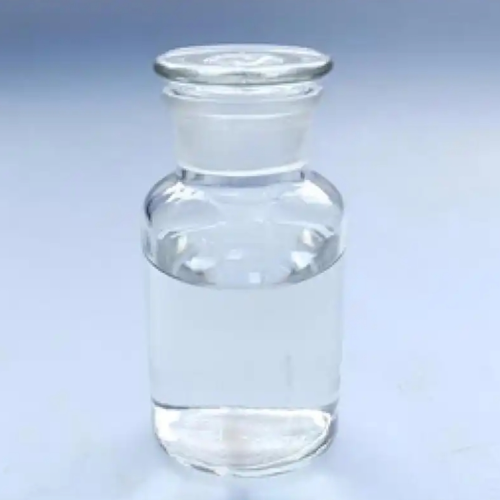
Propylene Glycol, also known as 1,2-Propanediol, Propane-1,2-diol, or Monopropylene Glycol, is an important multifunctional chemical with the CAS number 57-55-6. As a clear and viscous liquid, propylene glycol liquid exhibits excellent solubility, low toxicity, and high chemical stability. It is widely used as a heat transfer fluid, humectant, solvent, antifreeze component, and formulation additive across multiple industries.
Propylene glycol has a slight, characteristic taste. It is practically an odorless and colorless thick liquid. It absorbs moisture when exposed to moist air.
Industrial grade:
Propylene glycol is an important raw material for unsaturated polyester, epoxy resin, and polyurethane resin. The use amount in this area accounts for about 45% of the total consumption of propylene glycol. Such unsaturated polyester is used extensively for reinforced plastics and surface coatings. Propylene glycol is excellent in viscosity and hygroscopicity and is non-toxic, and thus is widely used as hygroscopic agent, antifreeze, lubricants and solvents; Propylene glycol is a good solvent for flavorings and pigments.
Food grade:
Propylene Glycol reacts with fatty acid to give propylene ester of fatty acids, and is mainly used as food emulsifier.
It is also a humectant and flavor solvent that is a polyhy- dric alcohol (polyol). it is a clear, viscous liquid with complete solu- bility in water at 20°c and good oil solvency. it functions as a humectant, as do glycerol and sorbitol, in maintaining the desired moisture content and texture in foods such as shredded coconut and icings. it functions as a solvent for flavors and colors that are insoluble in water. it is also used in beverages and candy.
Propylene glycol is also used as tobacco moisturizing agents, antifungal agents, food processing equipment lubricants and solvents for food marking ink.
USP grade(Pharmaceutical and cosmetic industry):
Propylene glycol is the most common moisturecarrying vehicle used in cosmetic formulations. It has better skin permeation than glycerin, and it also gives a pleasant feel with less greasiness than glycerin. Propylene glycol is used as a humectant because it absorbs water from the air. It also serves as a solvent for anti-oxidants and preservatives. In addition, it has preservative properties against bacteria and fungi when used in concentrations of 16 percent or higher. There is a concern that propylene glycol is an irritant at high concentrations, though it appears to be quite safe at usage levels under 5 percent.
Propylene glycol is commonly used as solvents, softeners and excipients, etc. In the pharmaceutical industry for the manufacture of various types of ointments and salves.
|
Melting Point |
-60 °C (lit.) |
|
Boiling Point |
187 °C (lit.) |
|
Density |
1.036 g/mL at 25 °C (lit.) |
|
Vapor Density |
2.62 (vs air) |
|
Vapor Pressure |
0.08 mm Hg ( 20 °C) |
|
Refractive Index |
n20/D 1.432(lit.) |
|
Fp |
225 °F |
|
Storage Temp. |
Store at +5°C to +30°C. |
|
Solubility |
undefined,undefined,undefined |
|
undefined |
undefined |
|
undefined |
undefined |
|
undefined |
undefined:undefined |
|
undefined |
undefined |
|
undefined |
undefined,undefined,undefined |
|
undefined |
undefined. undefined |
|
undefined |
undefined |
|
undefined |
undefined,undefined |
|
undefined |
undefined |
|
undefined |
undefined |
|
undefined |
undefined |
|
undefined |
undefined |
undefined,undefined,undefined,undefined. undefined
undefined,undefined,undefined,undefined,undefined
undefined,undefined,undefined,undefined,undefined,undefined
undefined,undefined,undefined,undefined
undefined,undefined,undefined
undefined,undefined undefined,undefined,undefined. undefined,undefined,undefined
undefined,undefined
undefined
undefined
undefined,undefined
undefined:undefined,undefined,undefined&undefined;undefined
undefined
undefined?
undefined,undefined,undefined. undefined,undefined,undefined
 Goma&El plastico
 Pintar&Pegamento
 Hogar&Cuidado personal
 Alimento&Alimentar
 Limpieza Industrial&Desinfección
 Otros
Otros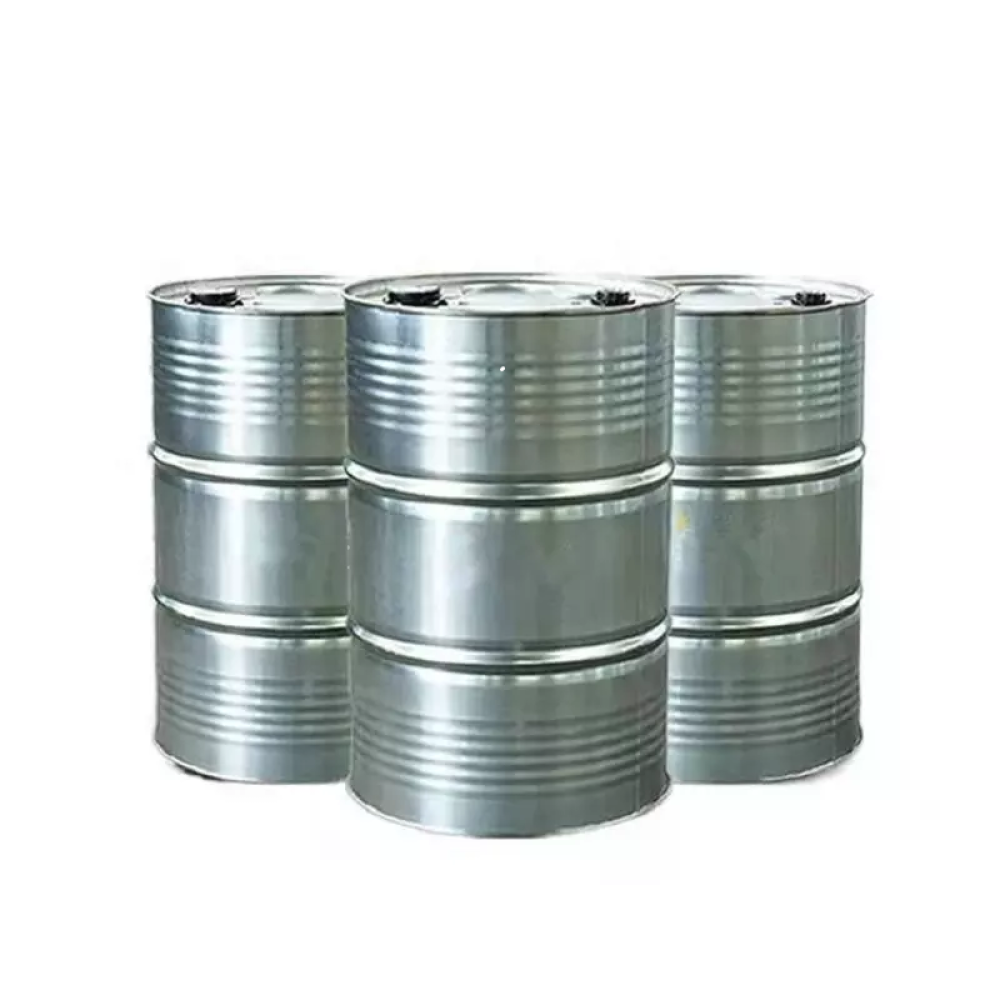
 Propylene-glycol-MSDS.pdf
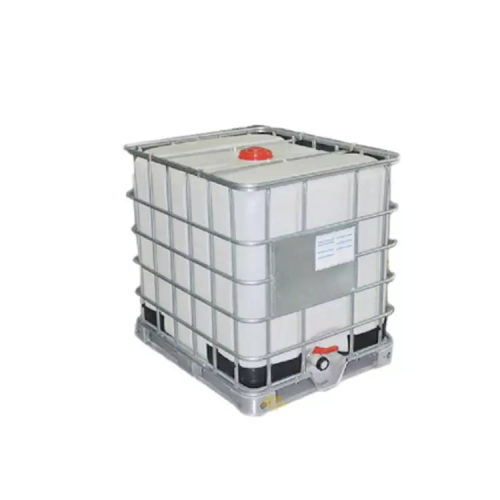 Dipropilenglicol,DPG
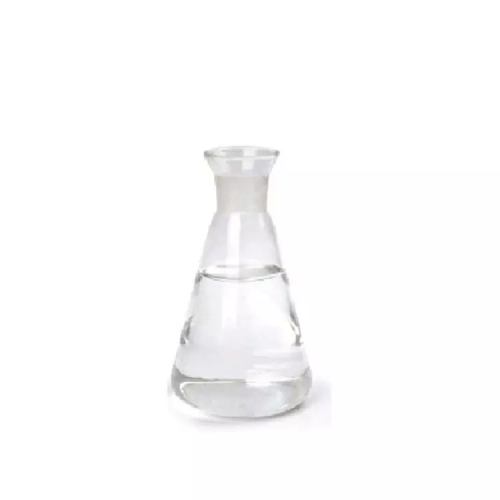 ciclohexano
 Tetrahydrofuran THF
 2-Hydroxyethyl methacrylate, HEMA
 Dimethyl carbonate DMC
 DPMA, Dipropyleneglycol methyl ether acetate
 Isopropyl alcohol, Isopropanol
 Methanol
 Diethylene glycol , DEG
 Cyclohexanone, CYC
 Butyl Acetate
 Methyltetrahydrophthalic Anhydride, MTHPA