- Productos
Materias Primas Químicas Para:
Materias Primas Químicas Para:
Bis(2-propylheptyl) Phthalate (commonly called DPHP) — chemical name Bis(2-propylheptyl) phthalate, CAS 53306-54-0 — is a high-performance phthalate-type plasticizer formulated for demanding PVC applications. DPHP combines excellent thermal stability, low volatility and superior weather resistance, making it well suited for outdoor PVC, wire & cable insulation (including 90°C compound formulations), automotive interiors and synthetic leather.
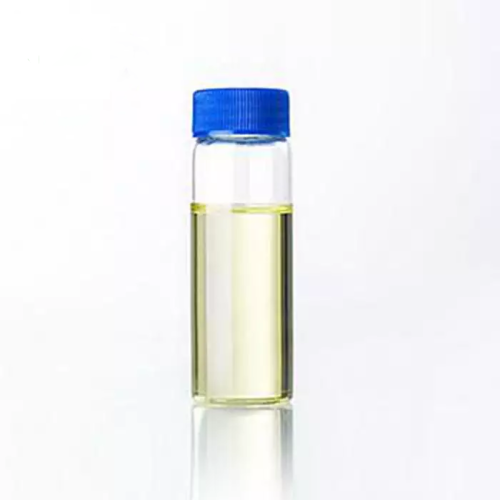
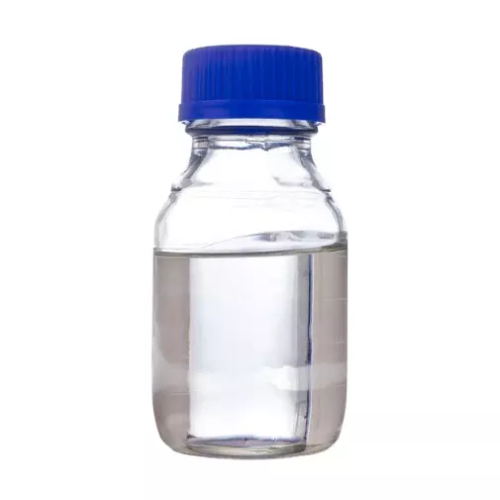
DPHP is basically colorless, transparent liquid, highly stable and soluble in most organic solvents.DPHP has good compatibility with PVC, plasticizing efficiency is comparable to DINP, but the specific gravity is smaller than DINP, which is better than DIDP.
DPHP has the same electrical insulation properties as DIDP, but has the least volatility, can withstand higher temperatures and has the highest safety. DPHP has significantly better weather resistance than DIDP and is more suitable for plasticizing PVC for outdoor use, has lower volatility in soft vinyl and can be used in motor vehicles and wire and cable. DPHP can directly replace DIDP when making 90 degree cable material.
|
Boiling Point |
425.8±13.0 °C(Predicted) |
|
Density |
0.964 |
|
Vapor Pressure |
0Pa at 20℃ |
|
Storage Temp. |
Refrigerator |
|
Solubility |
Chloroform (Sparingly), Methanol (Slightly) |
|
Form |
Oil |
|
Color |
Colourless to Light Yellow |
|
Water Solubility |
2.2ng/L at 25℃ |
Low volatility & minimal migration: DPHP shows lower volatility than DIDP and DINP alternatives, reducing plasticizer loss and fogging in automotive interiors.
Excellent heat-aging resistance: suitable for cable compounds rated to 90°C and high-temperature applications.
Superior weatherability / UV stability: extends service life of outdoor PVC products (pool liners, tarpaulins, awnings).
Good electrical insulation: comparable to DIDP for wiring and cable insulation.
Low fogging (low-fog): favored by automotive leather manufacturers for interior trim and seating.
1. Wire & cable insulation and jacketing (90°C cable compounds; can replace DIDP).
2. Automotive interior components (trim, synthetic leather, dashboards) due to low fogging.
3. Outdoor PVC products (pool liners, tarpaulins, awnings) requiring long weather life.
4. Synthetic leather & coated fabrics to improve appearance and reduce volatilization.
5. Specialty polymer formulations where lower specific gravity and improved performance vs DINP are desired.
1. It has been widely used in wire and cable industry because of its good anti-heat aging property, and may need to be mixed with other plasticizers in practical application.
2. Compared with the general-purpose plasticizers dioctyl phthalate (DOP) or diisononyl phthalate (DINP), the atomization value is greatly reduced, so the quality of automotive interior products can be greatly improved.
This low fogging performance of DPHP has been appreciated by leading automotive leather manufacturers in Europe and the U.S., and has been widely used. There is also great interest from domestic synthetic leather
manufacturers to use DPHP to effectively improve product quality and upgrade their products.
3. undefined,undefined. undefined,undefined,undefined
undefined:undefined,undefined;undefined
undefined&undefined;undefined:undefined;undefined
undefined;undefined. undefined
undefined:undefined;undefined
undefined:undefined
undefined&undefined;undefined:undefined,undefined
undefined,undefined?undefined,undefined,undefined,undefined. undefined
 Goma&El plastico
 Pintar&Pegamento
 Hogar&Cuidado personal
 Alimento&Alimentar
 Limpieza Industrial&Desinfección
 Otros
Otros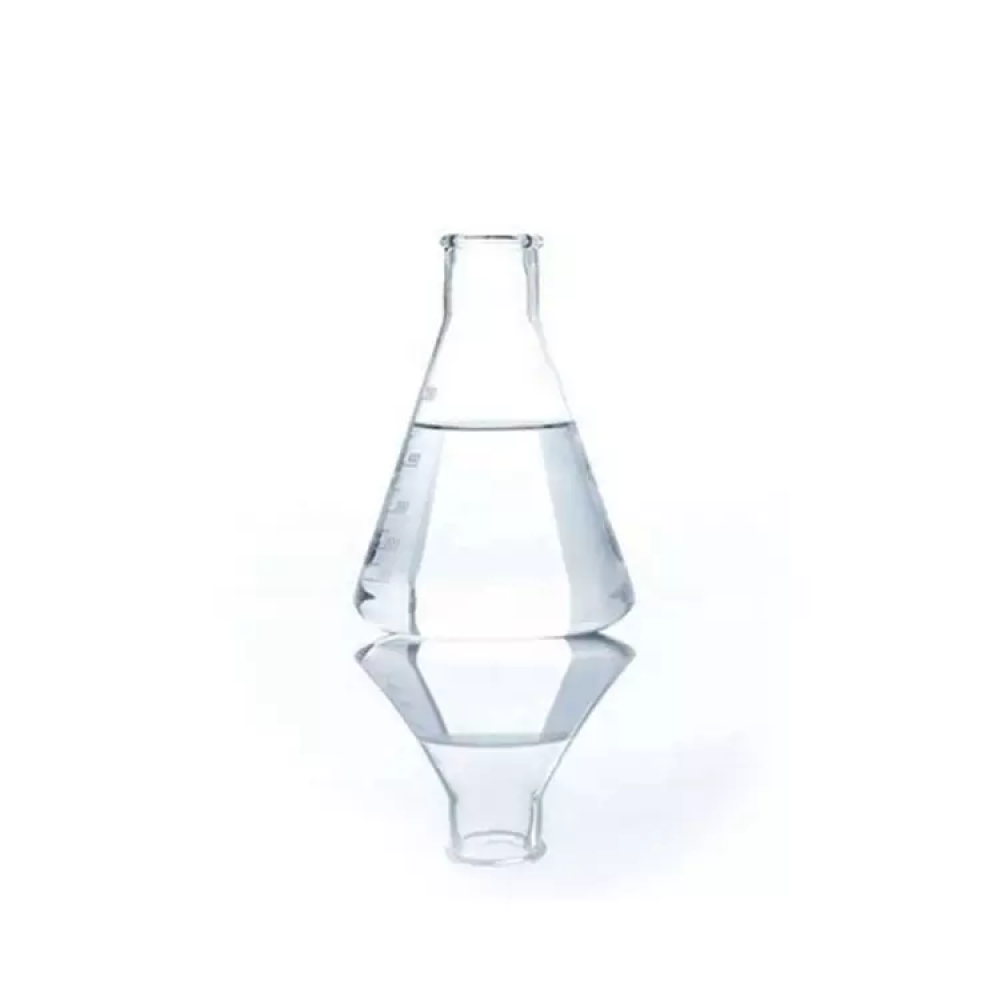
 Dioctyl adipate DOA
 Bis(2-ethylhexyl) Phthalate
 Di-N-Octyl Phthalate
 Diisononyl phthalate DINP
 Dioctyl terephthalate DOTP
 Trioctyl trimellitate TOTM
 Bis(2-ethylhexyl) adipate
 Dioctyl sebacate DOS
 Diethyl phthalate, DEP
 75% formato de potasio líquido
 D(+)-Glucosa,D-Glucosa Anhidra