- Products
Chemical Raw Materials For:
Chemical Raw Materials For:
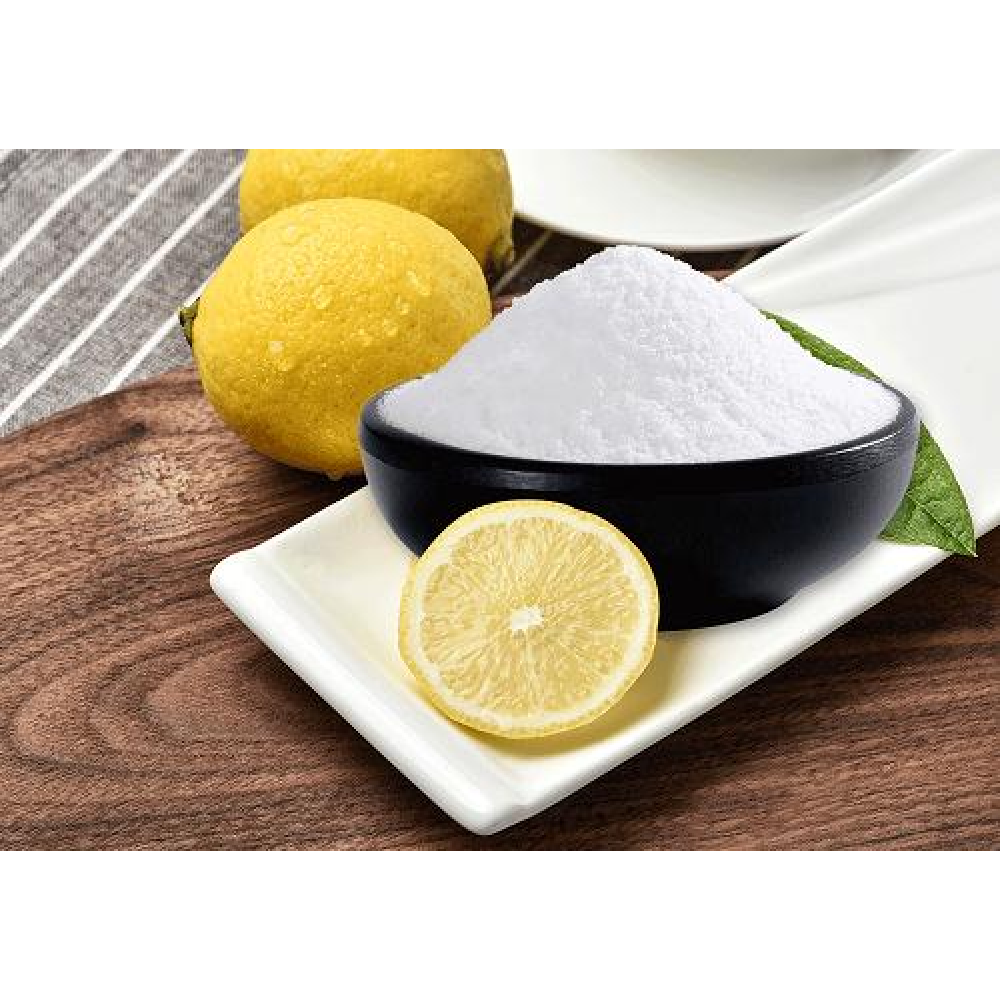
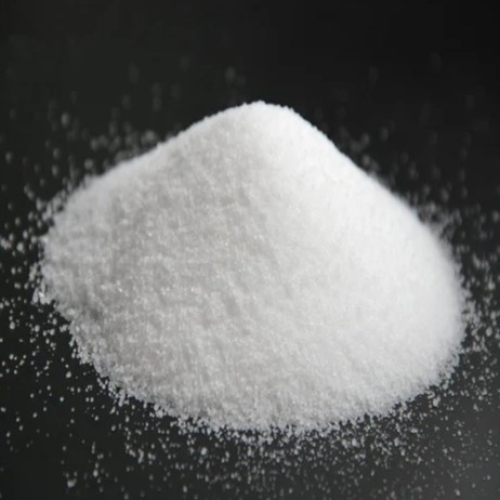
Citric Acid (anhydrous) — chemical formula C6H8O7, CAS 77-92-9 — is a naturally occurring organic acid (dominant in lemons and limes) supplied as white, crystalline citric acid crystals / powdered citric acid. It functions as an acidulant, pH buffer, antioxidant and chelating agent across food, pharmaceutical, cosmetic and industrial applications. Available as crystallized citric acid, powdered citric acid, or in bulk citric acid 25kg bags for industrial users.
CITRIC ACID, white crystalline solid, decomposes at higher temperatures, sp gr 1.542. Citric acid is soluble in H2O or alcohol and slightly soluble in ether. The compound is a tribasic acid, forming mono-, di-, and tri- series of salts and esters.It occurs in large amounts is citrus fruits, and is used widely in industry as an acidifier, as a flavoring and chelating agent. pKa values are 5.21, 4.28 and 2.92 at 25 °C (extrapolated to zero ionic strength).
Citric acid is a good buffering agent for solutions between about pH 2 and pH 8. It is popular in many buffers in many techniques, electrophoresis (SSC Buffer #), to stop reactions, for biopurifications, crystallography... In biological systems around pH 7, the two species present are the citrate ion and mono-hydrogen citrate ion. the pH of a 1 mM solution of citric acid will be about 3.2.
|
Melting Point |
153-159 °C (lit.) |
|
Boiling Point |
310 °C (decomp) |
|
Bulk Density |
560kg/m3 |
|
Density |
1.67 g/cm3 at 20 °C |
|
Vapor Density |
7.26 (vs air) |
|
Vapor Pressure |
<0.1 hPa (20 °C) |
|
Refractive Index |
1.493~1.509 |
|
FEMA |
|
|
Fp |
100 °C |
|
Storage Temp. |
2-8°C |
|
Solubility |
Citric acid also dissolves in absolute (anhydrous) ethanol (76 parts of citric acid per 100 parts of ethanol) at 15 °C. |
|
PKA |
3.14(at 20℃) |
|
Form |
Grit |
|
Color |
White |
|
PH |
3.24(1 mM solution);2.62(10 mM solution);2.08(100 mM solution); |
|
Odor |
Odorless |
|
Odor Type |
Odorless |
|
Explosive Limit |
8%, 65°F |
|
Biological Source |
Synthetic |
|
Water Solubility |
Soluble in Water (1174g/L at 10°C, 1809g/L at 30°C, 3825g/L at 80°C). |
Food & beverage (E330): flavor acidulant, preservative and chelator in soft drinks, confectionery, jams and dairy analogues.
Pharmaceutical & excipient uses: buffering agent, effervescent salts and USP-grade excipient.
Home & industrial cleaning: descaling, degreasing and eco-friendly cleaning blends.
Cosmetics & personal care: pH adjuster, chelator and preservative booster in creams, shampoos and formulations.
Water treatment & technical uses: metal chelation, scale removal and formulation intermediate.
1. Citric acid has astringent and anti-oxidant properties. It can also be used as a product stabilizer, pH adjuster, and preservative with a low sensitizing potential. It is not usually irritating to normal skin, but it can cause burning and redness when applied to chapped, cracked, or otherwise inflamed skin. It is derived from citrus fruits.
2. Citric Acid is an acidulant and antioxidant produced by mold fermentation of sugar solutions and by extraction from lemon juice, lime juice, and pineapple canning residue. it is the predominant acid in oranges, lemons, and limes. it exists in anhydrous and monohydrate forms. the anhydrous form is crystallized in hot solutions and the monohydrate form is crystallized from cold (below 36.5°c) solutions. anhydrous citric acid has a solubility of 146 g and monohydrate citric acid has a solubility of 175 g/100 ml of distilled water at 20°c. a 1% solution has a ph of 2.3 at 25°c. it is a hygroscopic, strong acid of tart flavor. it is used as an acidulant in fruit drinks and carbonated beverages at 0.25-0.40%, in cheese at 3-4%, and in jellies. it is used as an antioxidant in instant potatoes, wheat chips, and potato sticks, where it prevents spoilage by trapping the metal ions. it is used in combination with antioxidants in the processing of fresh frozen fruits to prevent discoloration.
3. Citric acid is a weak organic acid that is known as a commodity chemical, as more than a million tonnes are produced every year by mycological fermentation on an industrial scale using crude sugar sol utions, such as molasses and strains of Aspergillus niger. Citric acid is widely distributed in plants and in animal tissues and fluids and exist in greater than grace amounts in variety of fruits and vegetables, most notably in citrus fruits such as lemon and limes. Citric acid is mainly used as an acidifier, flavoring agent and chelating agent. It was also used as a chemical restrainer particularly in developers for the collodion process and in silver nitrate solutions used for sensitizing salted and albumen papers.
Standard packing: 25 kg bag (many buyers prefer citric acid 25kg), jumbo bags and bulk loads. We offer competitive citric acid bulk prices and flexible MOQ for trials.
25/kg bag total 25 tons without pallet, 22 tons with pallet for FCL.
Available grades: Food (E330), USP / pharma grade, industrial grade, anhydrous granules and powdered citric acid.Store sealed in a cool, dry place away from strong oxidizers. Citric acid is generally safe at typical use levels but can irritate eyes or damaged skin in concentrated form; follow MSDS recommendations for PPE and spill response.
Quality & traceability: batch COA released prior to quotation.
Competitive pricing: contact us for the current citric acid price per kg or bulk pricing.
Reliable logistics: 20+ years exporting experience and flexible packing (25 kg retail to FCL bulk).
Technical support: formulation guidance for food, pharma and industrial customers.
Need citric acid (CAS 77-92-9) in 25 kg bags or bulk? Tell us your required grade (food/USP/industrial), quantity and delivery port and we’ll reply with COA, lead time and a competitive citric acid bulk price. Request a sample or quote now / buy citric acid online.
 Rubber & Plastic
 Paint & Glue
 Home & Personal Care
 Food & Feed
 Industrial Cleaning & Disinfection
 Others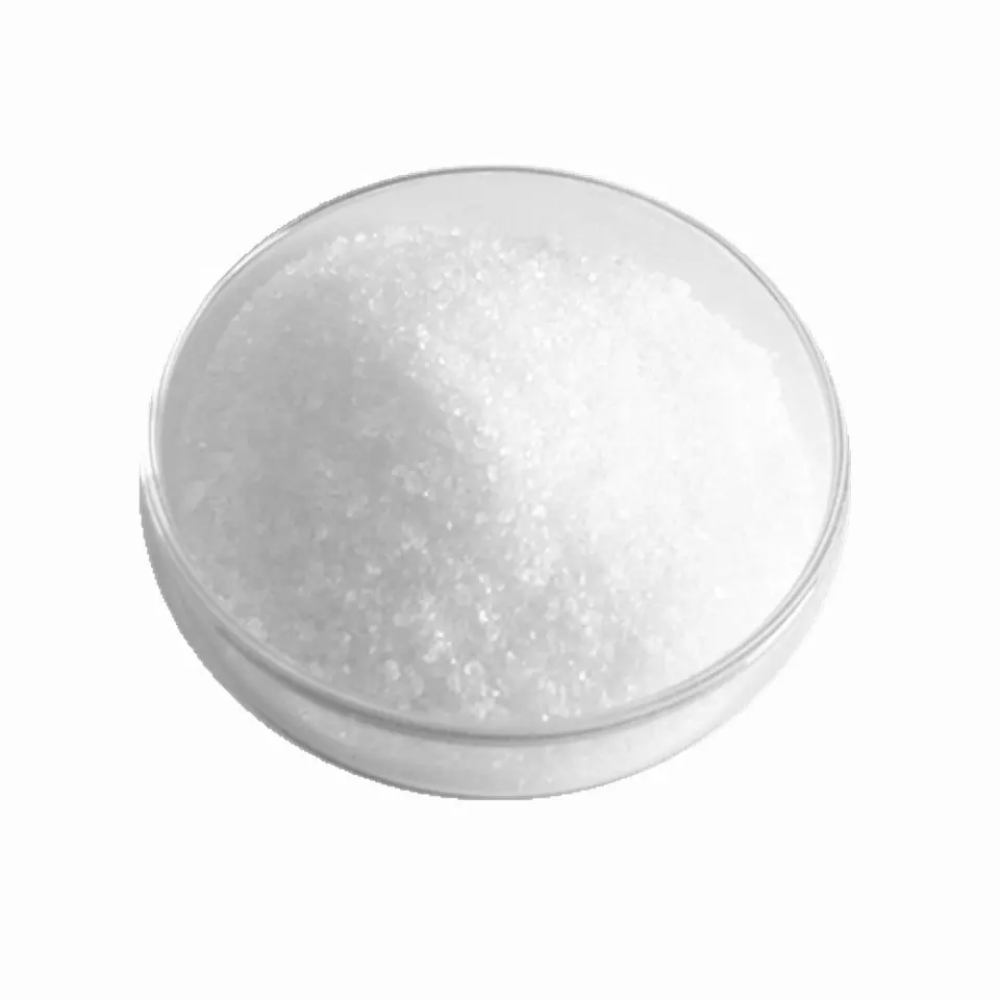
 Fumaric acid
 DL-Tartaric Acid
 Triammonium Citrate
 Lactic Acid
 Citric Acid Monohydrate, CAM
 D(-)-Tartaric Acid
 Potassium hydroxide, KOH
 Malic acid
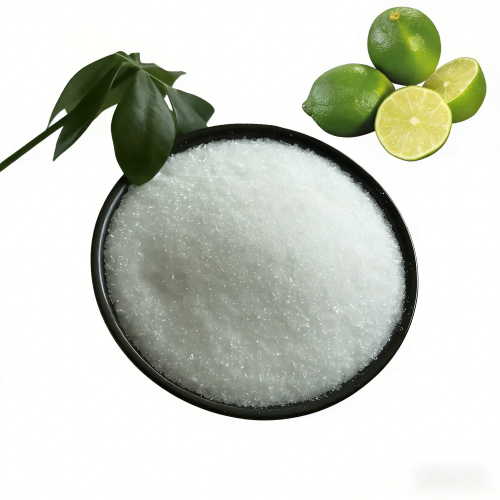 Sodium Citrate Dihydrate
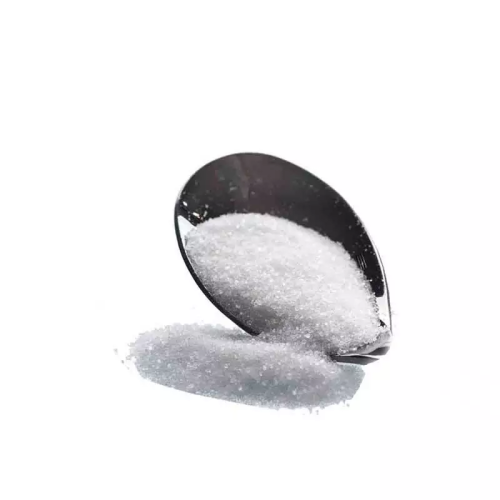 L(+)-Tartaric Acid
 Trichloroethylene , TCE
 Dioctyl sebacate DOS