Technical Datas
|
Items
|
Standards
|
|
Content(On Dry Basis),w/%
|
99.0-100.5
|
|
Light Transmittance,w/% ≥
|
95
|
|
Chlorides(Cl),w/% ≤
|
0.005
|
|
Sulfates,w/% ≤
|
0.015
|
|
Oxalates,w/% ≤
|
0.03
|
|
Total Arsenic(As),mg/kg ≤
|
1
|
|
Lead(Pb),mg/kg ≤
|
2
|
|
Alkalinity
|
Pass Test
|
|
Loss on Drying,w/%
|
3.0-6.0
|
|
Easily Carbonize Substances, ≤
|
1
|
|
Insoluble Substances
|
Pass Test
|
|
Calcium Salt,w/% ≤
|
0.02
|
|
Ferric Salt,mg/kg ≤
|
5
|
Uses and Applications
1. Food Industry (E332)
-Potassium citrate serves multiple functions in food processing:
-Acidity Regulator & pH Control Agent: Adjusts and stabilizes pH in beverages, dairy products, and processed foods
-Emulsifier & Stabilizer: Prevents fat separation and improves texture in processed cheese and ice cream
-Flavor Enhancer: Enhances flavor in jellies, margarines, and certain cheeses
-Nutrient Supplement: Provides potassium enrichment in infant formula and other foods
-Sequestrant: Chelates metal ions to prevent oxidation and discoloration
-Sodium-Free Alternative: Preferred over sodium citrate in low-sodium and health-conscious products
-Specific Applications: infant formula, beverages, dairy products, processed cheese, jellies, and margarines
2. Industrial Applications
-Buffer Solutions: Used in biochemical and chemical processes
-Electrolyte Replacement: Applied in various industrial formulations
-Paper Making & Gilding: Used in specialized manufacturing processes
-Detergent Builder: Eco-friendly alternative in phosphate-free detergents (Note: this reference is for sodium citrate but applies to potassium citrate as well)
-Environmental Protection: Used for SO₂ tail gas absorption

 Rubber & Plastic
 Paint & Glue
 Home & Personal Care
 Food & Feed
 Industrial Cleaning & Disinfection
 Others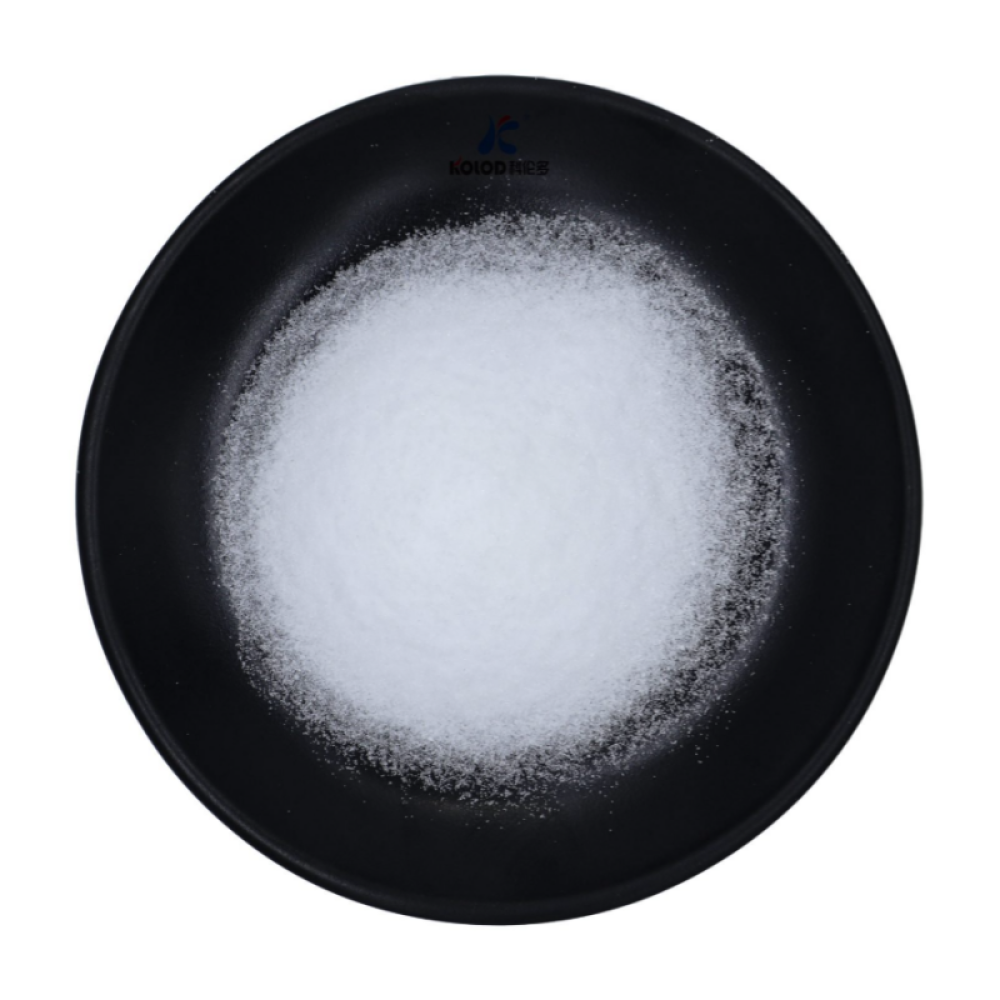
 Zinc Sulfate Monohydrate
 Magnesium Citrate
 Zinc Sulfate Heptahydrate
 Calcium Citrate Tetrahydrate
 Dexpanthenol(D-Panthenol), DL-Panthenol(Vitamin B5)
 Dicalcium Phosphate Dihydrate , DCPD
 Magnesium Sulfate Heptahydrate
 Creatine monohydrate
 Lecithin
 EDTA Ferric Sodium Salt , EDTA-FeNa
 Isopropyl myristate, IPM
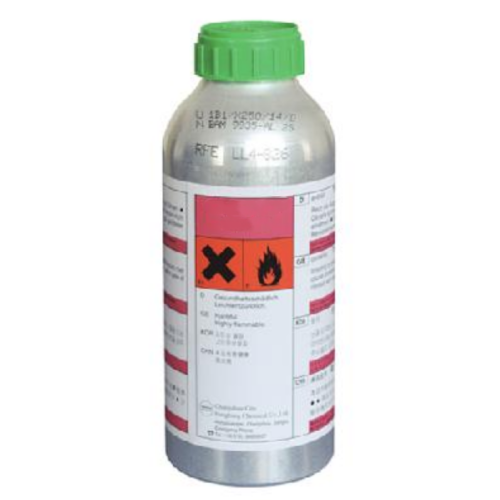 Tris(4-isocyanatophenyl) thiophosphate / RFE / TPTI