- Products
Chemical Raw Materials For:
Chemical Raw Materials For:
High-purity Acetic Acid (CAS 64-19-7) — also sold as glacial acetic acid / ethanoic acid — a clear, pungent liquid used as a key industrial reagent, solvent and food acidulant. Available in industrial and food grades, bulk drums and IBCs; COA/MSDS provided.
Acetic Acid (CH₃COOH) — CAS 64-19-7 — is a colorless liquid with a strong vinegar-like odour (glacial acetic acid refers to the ≥99.5% anhydrous grade). It is one of the simplest carboxylic acids and a cornerstone feedstock for organic synthesis, acetylation reactions, acetate esters (e.g., ethyl acetate), vinyl acetate monomer (for PVA), cellulose acetate, and many pharmaceuticals and flavors. Common synonyms include acetic acid, ethanoic acid, HOAc, and glacial acetic.
Acetic acid is a colourless liquid or crystal with a sour, vinegar-like odour and is one of the simplest carboxylic acids and is an extensively used chemical reagent.
|
Melting Point |
16.2 °C(lit.) |
|
Boiling Point |
117-118 °C(lit.) |
|
Density |
1.049 g/mL at 25 °C(lit.) |
|
Vapor Density |
2.07 (vs air) |
|
Vapor Pressure |
11.4 mm Hg ( 20 °C) |
|
Refractive Index |
n |
|
FEMA |
|
|
Fp |
104 °F |
|
Storage Temp. |
Store below +30°C. |
|
Solubility |
Alcohol: miscible(lit.) |
|
Form |
Solution |
|
PKA |
4.74(at 25℃) |
|
Color |
Colorless |
|
Specific Gravity |
1.0492 (20℃) |
|
Odor |
Strong, pungent, vinegar-like odor detectable at 0.2 to 1.0 ppm |
|
PH |
3.91(1 mM solution);3.39(10 mM solution);2.88(100 mM solution); |
|
PH Range |
2.4 (1.0M solution) |
|
Odor Threshold |
0.006ppm |
|
Odor Type |
Acidic |
|
Biological Source |
Synthetic |
|
Explosive Limit |
4-19.9%(V) |
|
Water Solubility |
Miscible |
We supply: industrial grade, food-grade (where specified) and glacial (anhydrous) grades in: 25–200 kg drums, 1000 kg IBCs and bulk tanker shipments. Typical packaging options and lead times are available on request. COA, MSDS and shipping documentation provided with every shipment.
Chemical intermediates: manufacture of acetate esters, vinyl acetate, acetic anhydride and other acetylation products.
Solvent: for resins, gums, dyes and organic synthesis.
Food & beverage: diluted as an acidulant/preservative (vinegar uses).
Pharmaceuticals & lab reagent: pH control, buffers and synthesis.
Industrial: descaling, textile processing, dyes, leather and adhesives (PVA/acetates).
1. Acetic acid occurs in vinegar. It is produced in the destructive distillation of wood. It finds extensive application in the chemical industry. It is used in the manufacture of cellulose acetate, acetate rayon, and various acetate and acetyl compounds; as a solvent for gums, oils, and resins; as a food preservative in printing and dyeing; and in organic synthesis.
2. Acetic acid is an important industrial chemical. The reaction of acetic acid with hydroxyl containing compounds, especially alcohols, results in the formation of acetate esters. The largest use of acetic acid is in the production of vinyl acetate . Vinyl acetate can be produced through the reaction of acetylene and acetic acid. It is also produced from ethylene and acetic acid. Vinyl acetate is polymerized into polyvinyl acetate (PVA), which is used in the production of fibers, films, adhesives, and latex paints.
Cellulose acetate, which is used in textiles and photographic film, is produced by reacting cellulose with acetic acid and acetic anhydride in the presence of sulfuric acid. Other esters of acetic acid, such as ethyl acetate and propyl acetate, are used in a variety of applications.
Acetic acid is used to produce the plastic polyethylene terephthalate (PET) . Acetic acid is used to produce pharmaceuticals.
3. Glacial Acetic Acid is an acidulant that is a clear, colorless liquid which has an acid taste when diluted with water. It is 99.5% or higher in purity and crystallizes at 17°c. It is used in salad dressings in a diluted form to provide the required acetic acid. It is used as a preservative, acidulant, and flavoring agent. It is also termed acetic acid, glacial.
4. Acetic acid is used as table vinegar, as preservative and as an intermediate in the chemical industry, e.g. acetate fibers, acetates, acetonitrile, pharmaceuticals, fragrances, softening agents, dyes (indigo) etc.
5. Manufacture of various acetates, acetyl compounds, cellulose acetate, acetate rayon, plastics and rubber in tanning; as laundry sour; printing calico and dyeing silk; as acidulant and preservative in foods; solvent for gums, resins, volatile oils and many other substances. Widely used in commercial organic syntheses. Pharmaceutic aid (acidifier).
Wijs solution / Wijs reagent (iodine chloride solution): acetic acid is the usual solvent matrix for the Wijs reagent used in iodine value determinations.
Glacial acetic acid is corrosive and flammable. Concentrated grades (>50%) are corrosive to skin and eyes and can cause severe burns. Use appropriate PPE (gloves, goggles, face shield) and local exhaust ventilation. Store in cool, well-ventilated areas away from oxidizers and bases. For full hazard, first aid and transport details consult MSDS/COA.
Two decades export experience and stable supply chain.
Strict QC — COA released before quotation.
Flexible MOQ, fast lead times and global logistics (drum, IBC, bulk).
Need glacial acetic acid or aqueous acetic acid solution in bulk? Tell us grade, quantity and delivery country — we’ll reply with COA, lead time and a competitive acetic acid price. Request a quote or sample now.
 Rubber & Plastic
 Paint & Glue
 Home & Personal Care
 Food & Feed
 Industrial Cleaning & Disinfection
 Others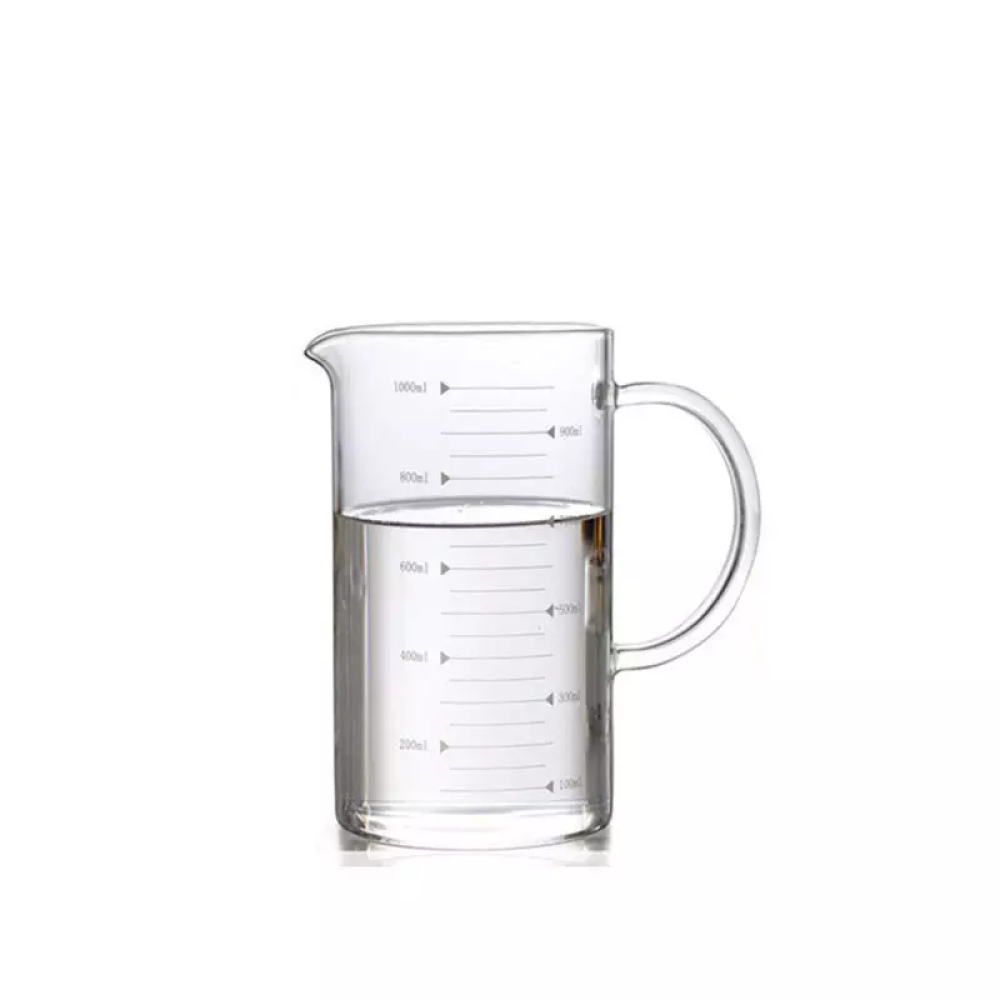
 Orient-Chem-COA-of-Acetic-Acid.pdf
 Sodium Nitrite
 Stearic acid
 Glabridin
 Dicyandiamide DCD
 Refined Tung Oil
 Carbohydrazide
 N,N'-Ethylenebis(stearamide), EBS
 Ethylenediaminetetraacetic Acid, EDTA Acid
 Ferrous Oxalate , (Iron(II) Oxalate)
 Sodium tripolyphosphate STPP
 Polyanionic Cellulose(PAC)
 Disodium Edetate Dihydrate, EDTA-2Na