- Products
Chemical Raw Materials For:
Chemical Raw Materials For:
Polyethylene Glycol (PEG) (aka polyethylene oxide / poly oxyethylene / macrogol), CAS 25322-68-3, is a family of linear polyether polymers with molecular weights commonly expressed as PEG-200, PEG-400, PEG-1000, PEG-4000, PEG-6000, PEG-8000, PEG-20000, etc. Physical form ranges from low-MW colorless viscous liquids to high-MW waxy flakes or powders. PEGs are water-soluble, chemically stable, nonvolatile and widely used across pharmaceutical, cosmetic, food and industrial sectors.
Types / Molecular Weight:
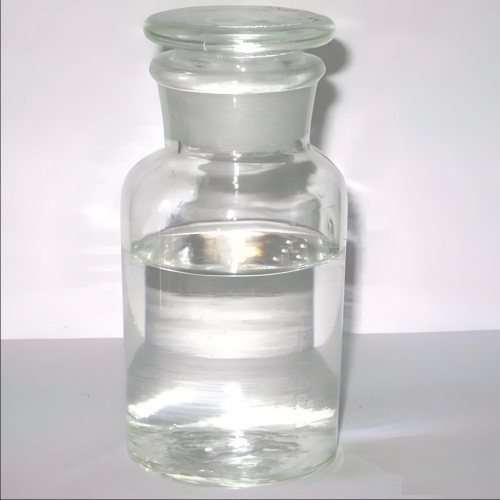
PEG 200, PEG 400, PEG 500, PEG 600 (clear liquid)
PEG 800 (white viscous liquid), PEG 1000 (white paste)
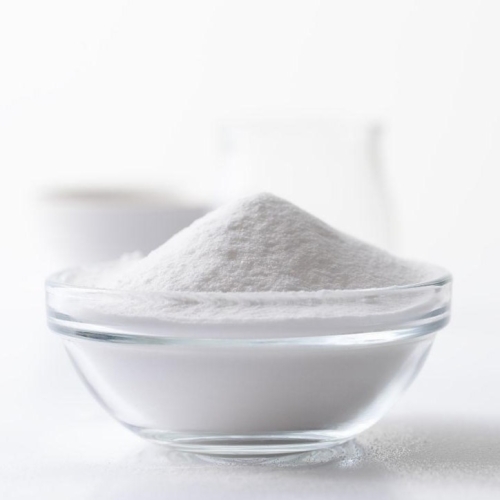
PEG 1500, PEG 4000, PEG 6000, PEG 8000, PEG 10000, PEG 20000 (white flake or crystal)
The properties vary depending on the relative molecular weight, ranging from colorless and odorless viscous liquid to waxy solid.
Those with a molecular weight of 200 to 600 are liquid at room temperature, and those with a molecular weight above 600 gradually become semi-solid. The properties also vary with the difference in average molecular weight.
From colorless and odorless viscous liquid to waxy solid. As the molecular weight increases, its moisture absorption capacity decreases accordingly. This product is soluble in water, ethanol and many other organic solvents. Low vapor pressure, stable to heat, acid and alkali.
|
Melting Point |
64-66 °C |
|
Boiling Point |
>250°C |
|
Tg |
-67 |
|
Bulk Density |
400-500kg/m3 |
|
Density |
1.27 g/mL at 25 °C |
|
Vapor Density |
>1 (vs air) |
|
Vapor Pressure |
<0.01 mm Hg ( 20 °C) |
|
Refractive Index |
n |
|
Fp |
270 °C |
|
Storage Temp. |
2-8°C |
|
Solubility |
H2O: 50 mg/mL, clear, colorless |
|
Form |
Waxy solid |
|
Color |
White to very pale yellow |
|
Specific Gravity |
1.128 |
|
PH |
5.5-7.0 (25℃, 50mg/mL in H2O) |
|
Biological Source |
Synthetic (organic) |
|
Water Solubility |
Soluble in water. |
Liquid grades (MW 200–600): PEG-200, PEG-300, PEG-400, PEG-600 (clear viscous liquids).
Solid/paste/flake grades (MW ≥ 800): PEG-800 (viscous), PEG-1000 (paste), PEG-1500, PEG-4000, PEG-6000, PEG-8000, PEG-10000, PEG-20000 (waxy flakes/crystals or powder).
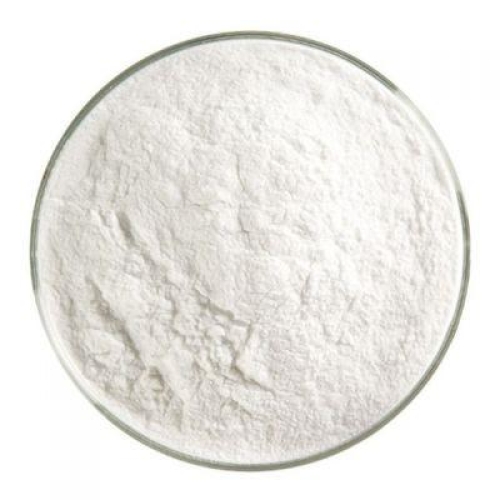
Special forms: powdered PEG (milled PEG-6000/8000) for formulations and confectionery use.
Pharmaceuticals & excipients: PEG-400, PEG-300 and higher grades as solvents, ointment bases, suppository matrices, and excipients (PEG 400 excipient, PEG 400 USP).
Cosmetics & personal care: moisturizing agents, carriers and solubilizers (PEG-8, PEG-20, PEG-400 used in skincare & shampoo).
Laxatives & medical: PEG-4000 often used as osmotic laxative (e.g., "miraLAX" type products); PEGs used in formulations and as sterilizable excipients.
Industrial & formulation: plasticizer, lubricant, anti-static agent, binder, solvent, film-forming agent, and heat transfer additives (antifreeze / PEG-based lubricants).
Food & other: humectant, carrier and processing aid (macrogol / E-number usage where permitted).
Polyethylene glycol and polyethylene glycol fatty acid esters are widely used in the cosmetics and pharmaceutical industries. Because polyethylene glycol has many excellent properties: water solubility, non-volatility, physiological inertness, mildness, lubricity, and moisturizing, softness, and pleasant after-use feeling of the skin. Polyethylene glycol with different relative molecular weight fractions can be selected to change the viscosity, hygroscopicity and organizational structure of the product. Polyethylene glycol with low relative molecular weight (Mr<2000) is suitable for use as a wetting agent and consistency regulator for creams, lotions, toothpastes, shaving creams, etc. It is also suitable for hair care products that do not require cleaning. Gives hair a silky shine. Polyethylene glycol (Mr>2000) with high relative molecular weight is suitable for lipsticks, deodorant sticks, soaps, shaving soaps, foundations and beauty cosmetics, etc. In cleaning agents, polyethylene glycol is also used as a suspending agent and thickening agent.
Polyethylene glycol is widely used in a variety of pharmaceutical preparations, such as injectables, topical preparations, ophthalmic preparations, oral and rectal preparations. Solid levels of polyethylene glycol can be added to liquid polyethylene glycol to adjust the viscosity for topical ointments; polyethylene glycol mixtures can be used as suppository bases; aqueous polyethylene glycol solutions can be used as suspending agents or to adjust other The viscosity of the suspension medium; polyethylene glycol and other emulsifiers are used together to increase the stability of the emulsion.
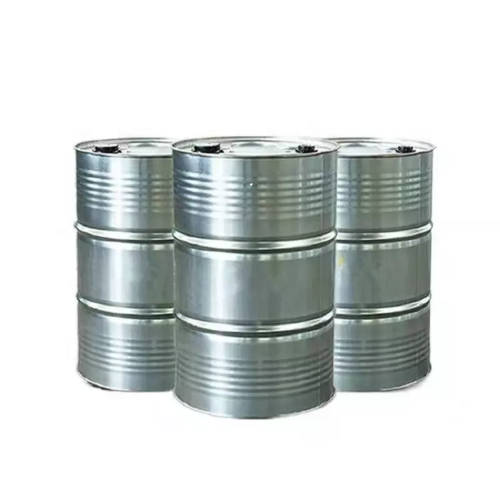
Packaging: drums (215 kg), IBC, bulk / tank, milled powder in bags.
Grades available: industrial, cosmetic, food, and pharmaceutical (USP) grades.
Supply: steady stock for bulk orders and flexible MOQ for trials. Export documentation, COA and MSDS provided per shipment.
Store in a cool, dry place in well-sealed containers. Low volatility and generally low toxicity, but choose PPE and follow batch MSDS for handling instructions. Solid grades are less hygroscopic than low-MW liquids. Sterilizable by autoclaving or filtration when required.
Full range of PEG grades (PEG-200 → PEG-20000) and custom milling for powdered grades.
Batch COA/MSDS, regulatory support for food/cosmetic/pharma uses.
Competitive bulk pricing and global logistics experience.
Technical support: formulation guidance for excipient use, topical systems, and pharmaceutical applications.
To request a quote, COA, MSDS or sample, please provide required grade (e.g., PEG-400, PEG-6000), target application (pharma/cosmetic/industrial), quantity and delivery country. Our team will respond with a tailored offer and lead time.
 Rubber & Plastic
 Paint & Glue
 Home & Personal Care
 Food & Feed
 Industrial Cleaning & Disinfection
 Others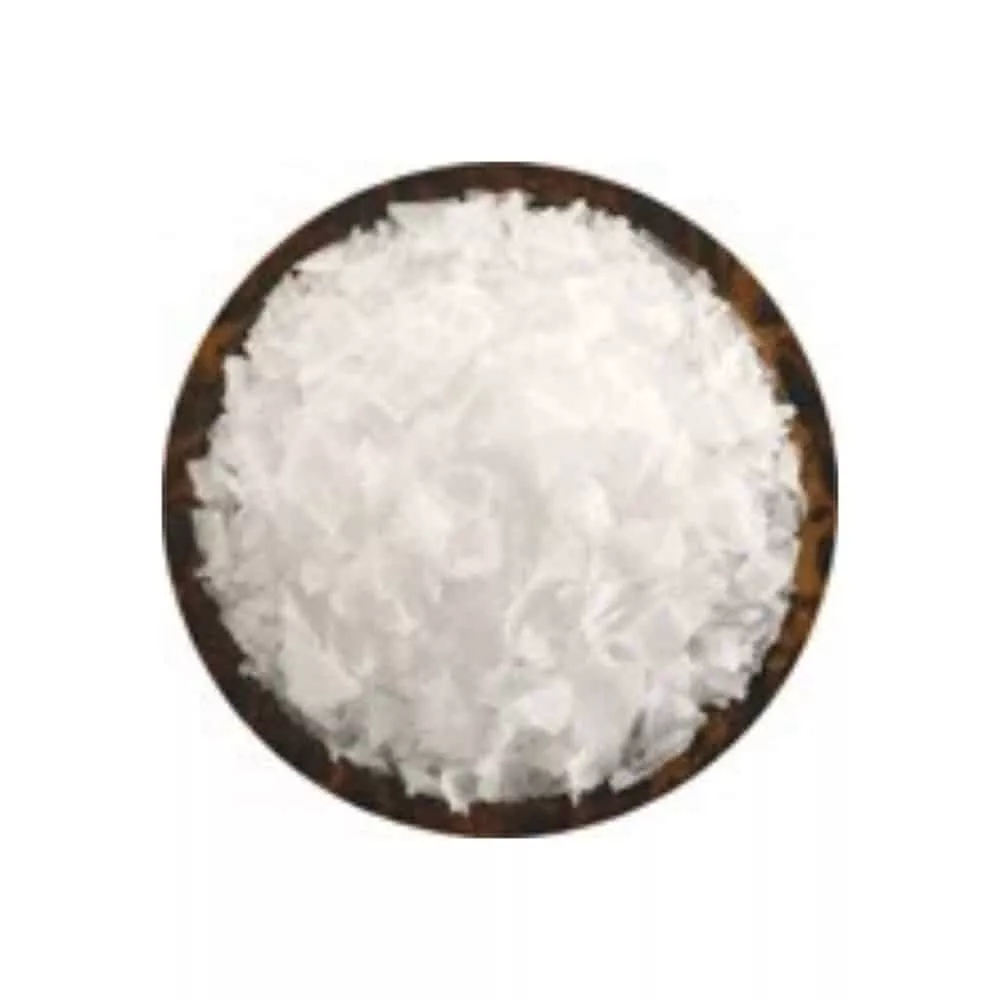
 Methyl cellulose, MC
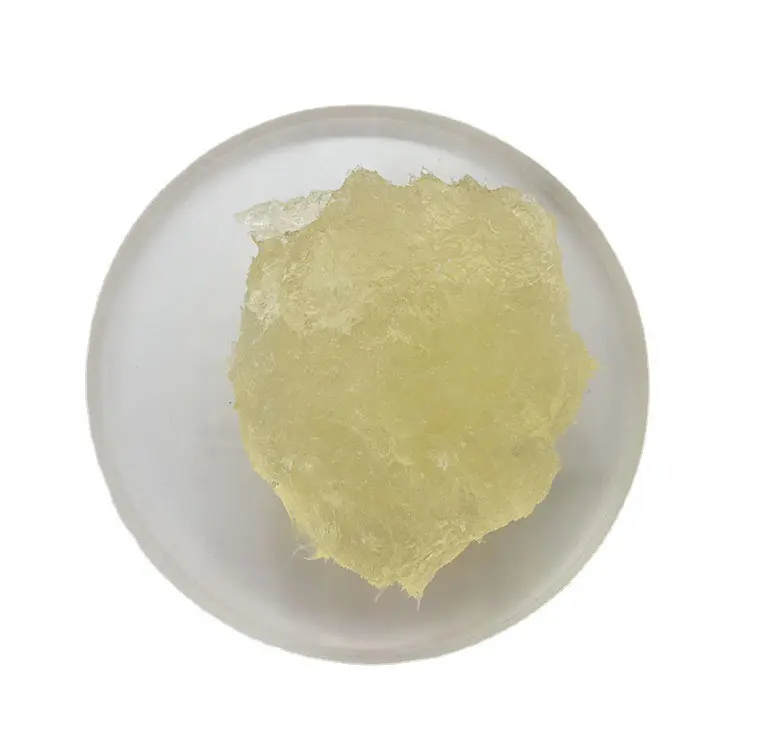 Benzyldimethylstearylammonium Chloride, 1827
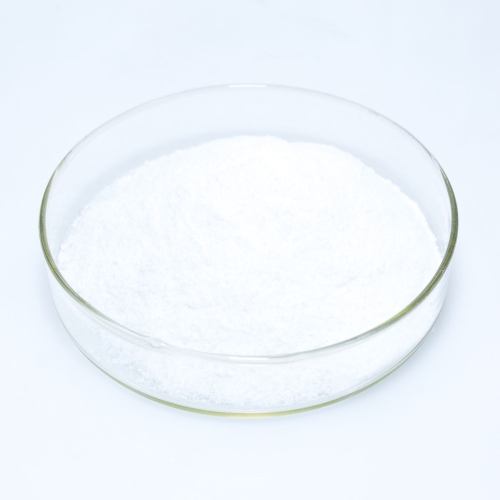 Carbomer
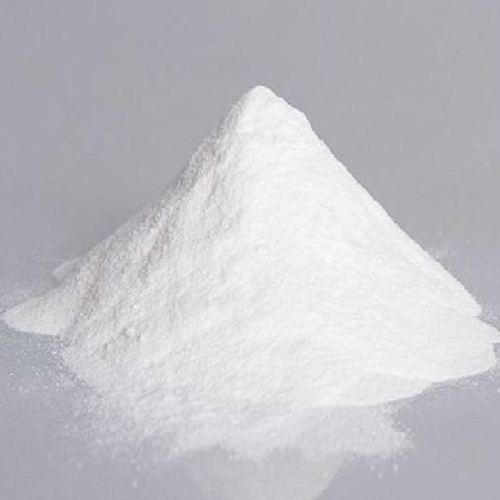 Hydroxypropyl methyl cellulose, HPMC
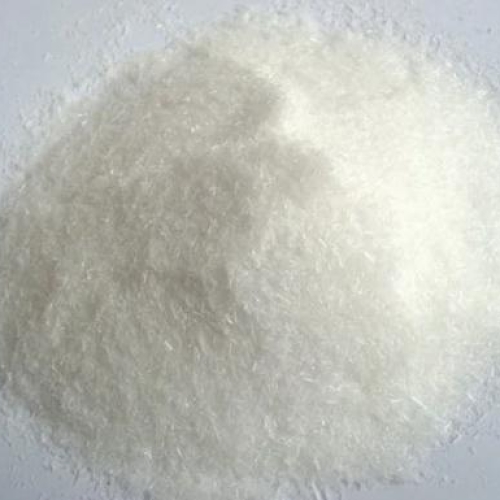 Dicyandiamide DCD
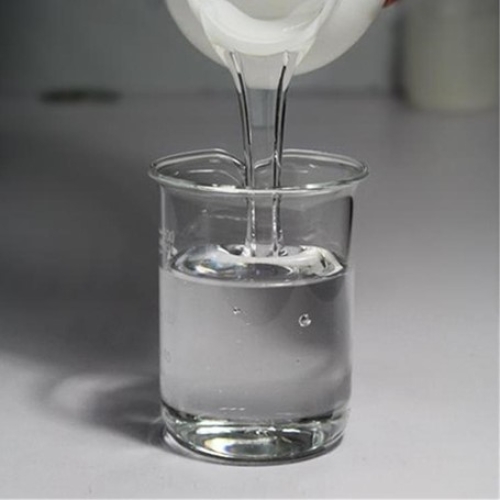 Silicone oil
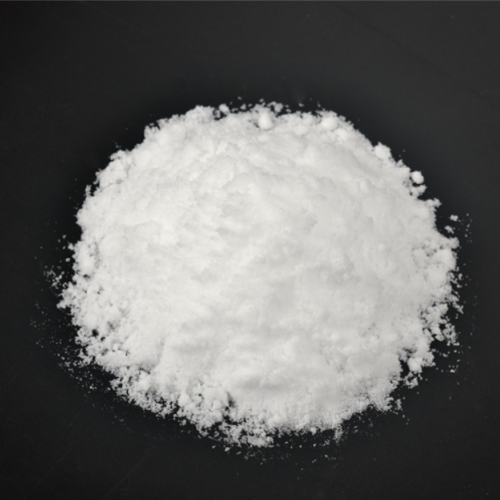 Ammonium Bifluoride, ABF
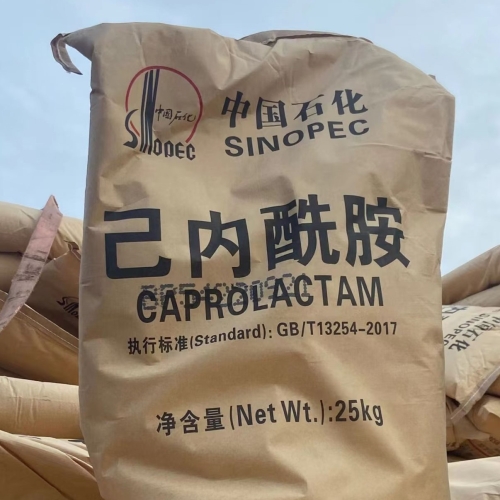 Caprolactam, CPL
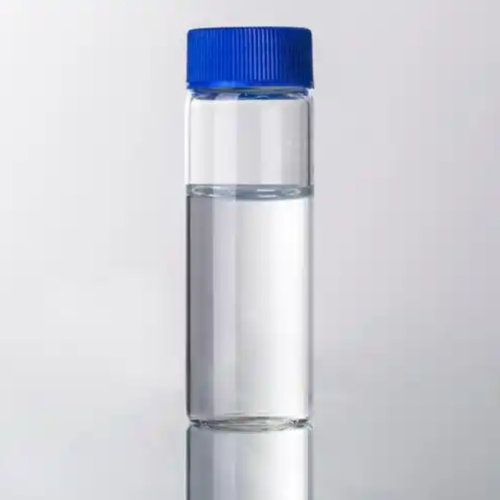 Cyclohexanone, CYC
 Propylene Glycol, PG
 Perchloroethylene , Tetrachloroethylene , PCE
 Aspartame