Physical Properties
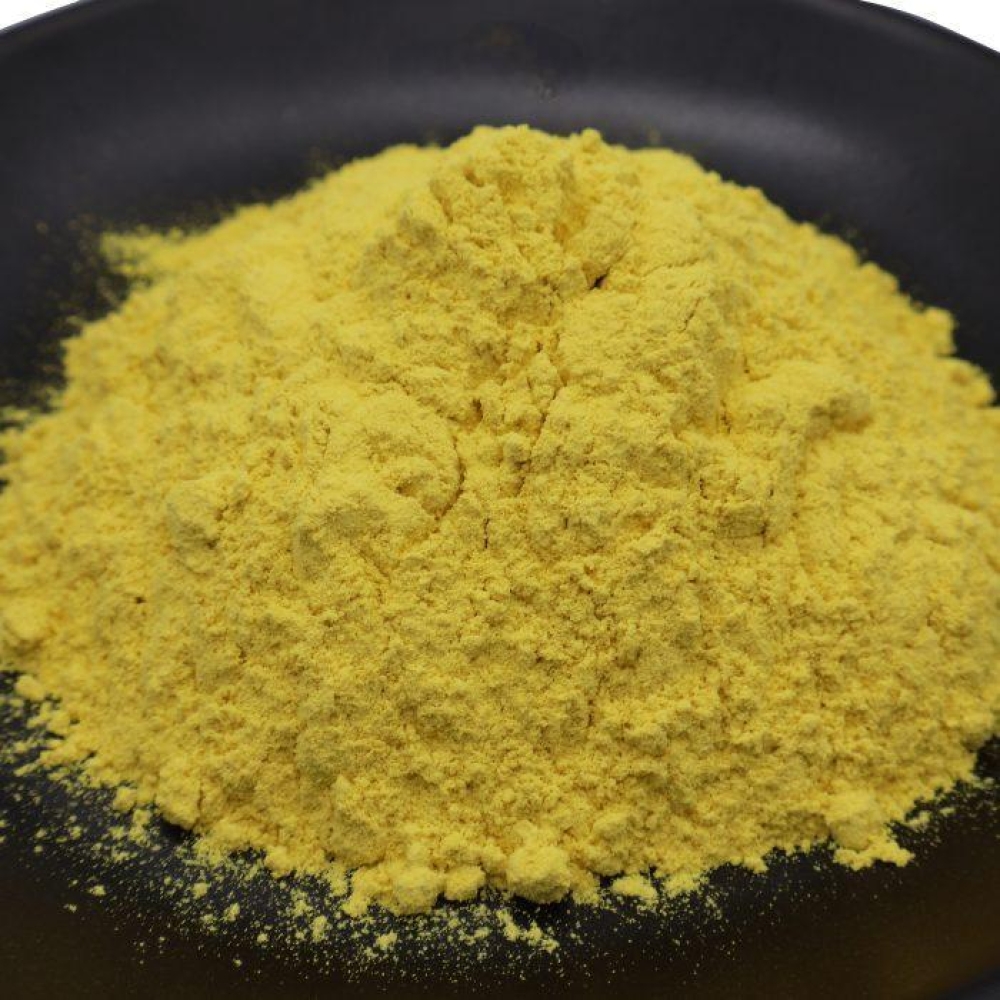
Appearance: Light yellow crystalline powder with orthorhombic crystal structure
Density: 2.28 g/cm³
Melting Point: 160°C (decomposes)
Solubility: Slightly soluble in water (0.22 g/100g in cold water, 0.026 g/100g in hot water); soluble in dilute acids and cold salt solutions
Dehydration: Loses crystalline water at 142°C under vacuum
Stability: Stable under normal temperature and pressure; hygroscopic
Chemical Properties
Decomposition: Upon heating, decomposes into iron(II) oxide, carbon monoxide, and carbon dioxide:
FeC₂O₄ → FeO + CO↑ + CO₂↑ (heated)
Reactivity: Can slowly dissolve in cold hydrochloric acid; forms stable complexes with certain metal ions
Main Applications and Uses
*Battery Materials
Battery-grade ferrous oxalate is a crucial precursor for lithium iron phosphate (LiFePO₄) cathode materials in lithium-ion batteries. Its purity and particle size significantly impact battery performance. It also shows potential for sodium-ion battery manufacturing .
*Photography
Used as a photographic developer in the imaging industry .
Pharmaceutical Industry
Applied in pharmaceutical manufacturing processes .
*Catalysts
Serves as a catalyst or catalyst precursor in organic synthesis, particularly in Fischer-Tropsch synthesis for converting CO and H₂ into hydrocarbons. Also used as a co-catalyst in degrading organic pollutants or hydrogen production from water splitting .
*Pigments and Dyes
Used as a colorant for dyes, paints, ceramics, and glassware. Upon calcination, it produces iron oxide pigments with controlled particle size and color intensity .
*Electroplating
Functions as a complexing agent and pH buffer in electroplating solutions, improving coating uniformity and quality. Forms stable complexes with metal ions like copper and nickel to enhance deposition .

 Rubber & Plastic
 Paint & Glue
 Home & Personal Care
 Food & Feed
 Industrial Cleaning & Disinfection
 Others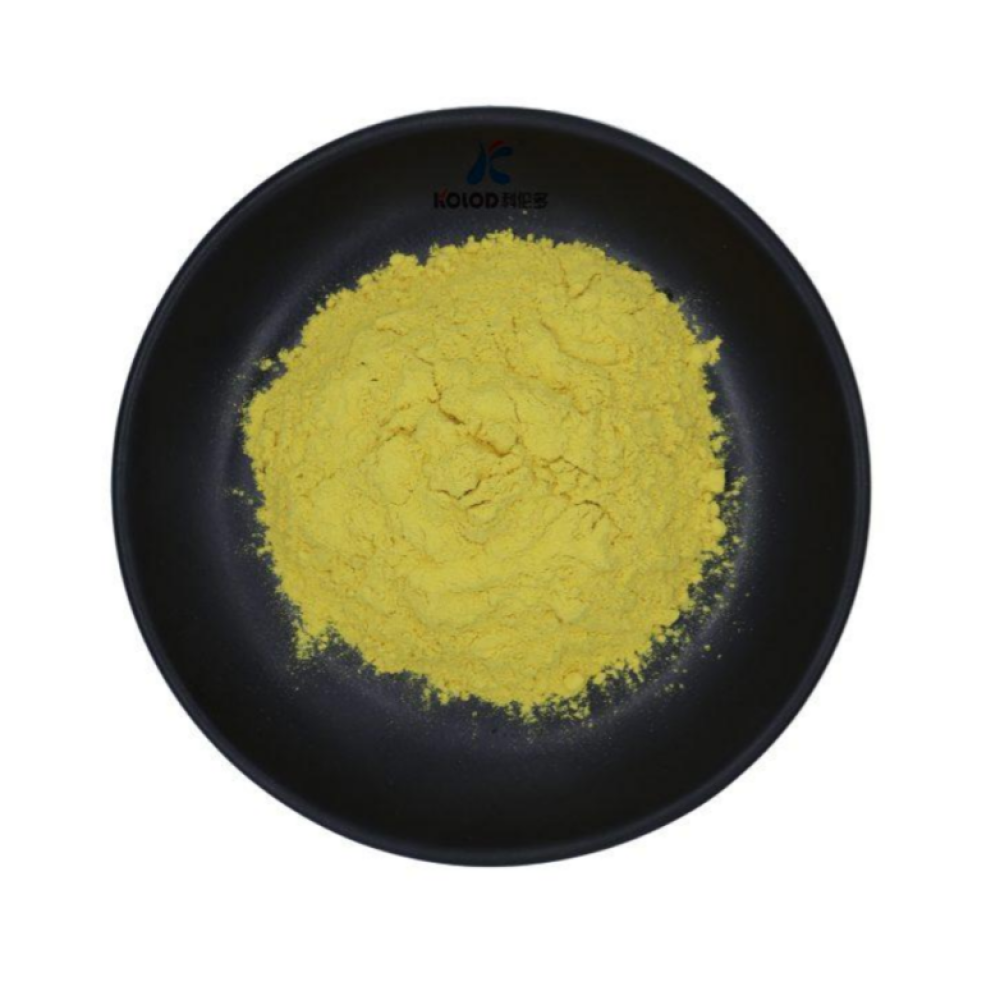
 Ethyl Butylacetylaminopropionate, BAAPE
 75% Liquid Potassium Formate
 Acetylcysteine
 Sodium Dimethyldithiocarbamate
 tert-Butyl hydroperoxide, TBHP
 Hexamethyldisiloxane, HMDSO
 Dimeryl diisocyanate DDI
 Glacial Acetic Acid
 Formic acid
 Sodium hydroxide, Caustic Soda Flakes/Caustic Soda Pearls
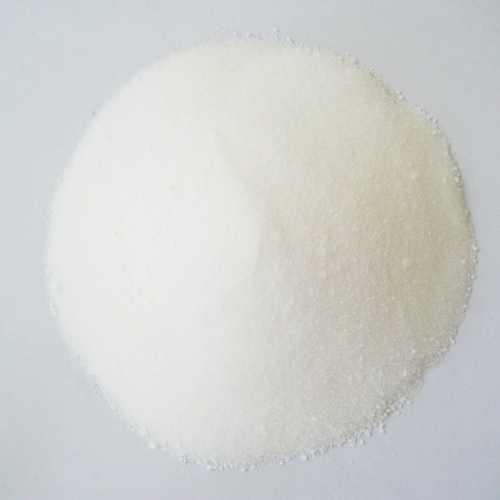 Sodium Nitrite
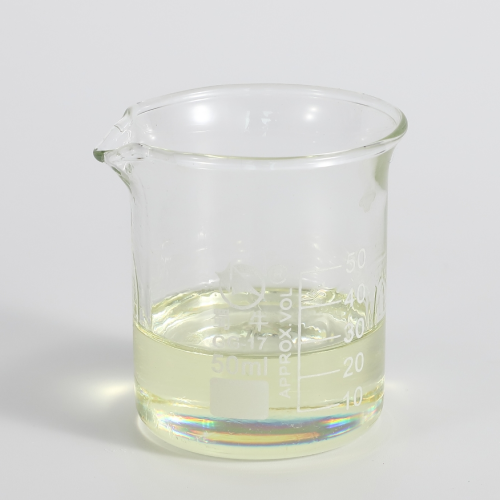 N,N-Diethyl-m-toluamide, DEET