- Products
Chemical Raw Materials For:
Chemical Raw Materials For:
Diethyl Phthalate (DEP, CAS 84-66-2) is a clear, colorless diethyl phthalate plasticizer with excellent solvency, low odor and good compatibility with cellulose resins, vinyls and many polymer systems. Also known as phthalic acid bis ethyl ester and diethyl 1,2-benzenedicarboxylate, DEP is widely used in coatings, adhesives, plastics and specialty formulations. Bulk supply available — buy diethyl phthalate or request a quote today.
MF: C12H14O4
MW: 222.24
EINECS: 201-550-6
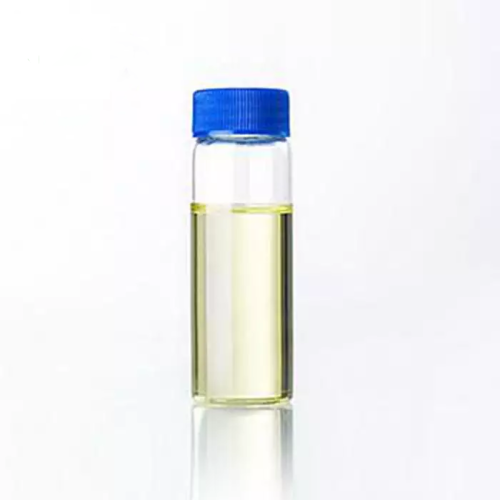
Diethyl Phthalate (DEP) is a versatile ester plasticizer and solvent used in a broad range of industrial and formulation applications. It is colorless, transparent, oily liquid with a slight aromatic smell. It is a colorless liquid with excellent plasticizing efficiency, low volatility and broad compatibility with resins, making it a reliable choice for flexible formulations and coating systems.
|
Melting Point |
-3 °C (lit.) |
|
Boiling Point |
298-299 °C (lit.) |
|
Density |
1.12 g/mL at 25 °C (lit.) |
|
Vapor Density |
7.66 (vs air) |
|
Vapor Pressure |
1 mm Hg ( 100 °C) |
|
Refractive Index |
n |
|
Fp |
>230 °F |
|
Storage Temp. |
2-8°C |
|
Solubility |
Practically insoluble in water, miscible with ethanol (96 per cent). |
|
Form |
Liquid |
|
Color |
APHA: ≤15 |
|
Specific Gravity |
1.118 |
|
Odor |
Water-wh. oily liq., odorless, bitter taste |
|
PH |
7-8 (20°C in H2O) |
|
Biological Source |
Synthetic |
|
Explosive Limit |
0.75%, 187°F |
|
Water Solubility |
1 g/L (20 ºC) |
|
Item |
Standard |
|
Appearance |
Colorless or light yellow clear liquid |
|
Color (APHA) |
≤ 30 |
|
Assay % |
≥ 99.5 |
|
Acidity (mg KOH/g) |
≤ 0.3 |
|
Flash point (°C) |
≥ 160 |
|
Relative density (25/25°C) |
1.115-1.119 |
|
Water % |
≤ 0.08 |
|
Heavy metal (As Pb) |
≤ 10 ppm |
Improves flexibility and workability in finished products.
Offers good solvency and formulation stability.
Suitable for applications requiring balanced plasticizing performance.
Supports easy processing in coatings, adhesives and compounding.
Coatings and inks: solvent and plasticizer support.
Adhesives and sealants: formulation flexibility and processing aid.
Plastics and polymers: plasticizer for cellulose and vinyl systems.
Specialty formulations: industrial processing aid and performance additive.
Diethyl phthalate is often used as a fixative for perfumes, and can also be used as a plasticizer for alkyd resins, nitrile rubber and chloroprene rubber; it is an intermediate for rodenticides such as dimethoate, dimethoate and chlorpyrifos, and is also an important solvent; it is also used as an analytical reagent, gas chromatography stationary liquid, solvent for cellulose and esters, plasticizer, solvent, lubricant, fixative, foaming agent for flotation of colored or rare metal mines, alcohol denaturant, and spray insecticide. This product has good compatibility with most resins such as cellulose acetate, cellulose acetate butyrate, polyvinyl acetate, cellulose nitrate, ethyl cellulose, polymethyl methacrylate, polystyrene, polyvinyl butyral, vinyl chloride-vinyl acetate copolymer, etc. Although diethyl phthalate is mainly used as a plasticizer for cellulose resin, its volatility is high, which limits its wide application.
We supply Diethyl Phthalate in drums(230kg/drum), IBCs and bulk shipments for industrial buyers. COA and MSDS are available with each order. For procurement teams and distributors, please ask for the current diethyl phthalate price and bulk supply terms based on your required volume.
Stable export supply and strict quality control.
Flexible packaging and bulk logistics support.
Technical support for formulation and application selection.
Competitive commercial terms for long-term buyers.
To buy Diethyl Phthalate (DEP, CAS 84-66-2) or request COA, MSDS and a competitive diethyl phthalate price, please share your required grade, quantity and delivery country. We will reply with lead time and quotation.
 Rubber & Plastic
 Paint & Glue
 Home & Personal Care
 Food & Feed
 Industrial Cleaning & Disinfection
 Others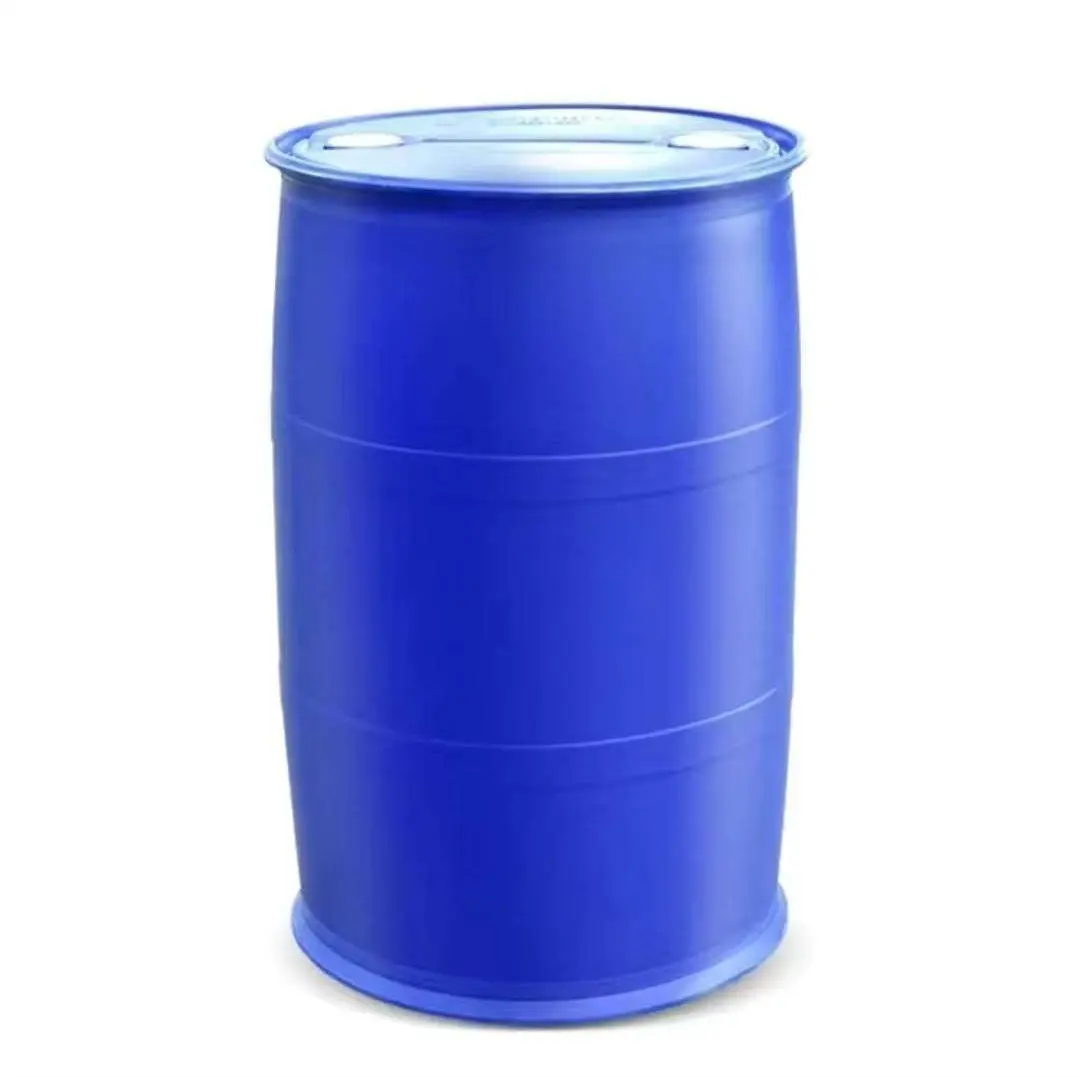
 Bis(2-propylheptyl) Phthalate DPHP
 Dioctyl terephthalate DOTP
 Bis(2-ethylhexyl) Phthalate
 Dioctyl adipate DOA
 Diisononyl phthalate DINP
 Bis(2-ethylhexyl) adipate
 Di-N-Octyl Phthalate
 Dioctyl sebacate DOS
 Trioctyl trimellitate TOTM
 Calcium Carbonate (USP Grade)
 1,3-Diphenylguanidine DPG