Uses in Food Industry
1. Key Functions
-Acidity Regulator: Balances pH in beverages, jams, and condiments to meet consumer taste preferences
-Preservative: Inhibits microbial growth in pickled meats, pickles, and canned foods, extending shelf life
-Flavor Enhancer: Provides a salt-vinegar taste to enhance aroma and flavor in baked goods, dairy, and meat products
-Buffer: Maintains stable pH during food processing, resisting external acid/base influences
-Stabilizer: Prevents stratification and precipitation in dairy products like ice cream and yogurt
-Leavening Agent: Reacts with acidic substances (e.g., cream of tartar) in baked foods to produce CO₂, improving texture
2. Specific Applications
-Beverages: Adjusts acidity and inhibits microorganisms in carbonated drinks and fruit juices
-Sauces: Prevents separation and enhances flavor in ketchup, salad dressings, and chili sauce
-Canned Foods: Acts as preservative and acidity regulator in canned meats and vegetables
-Baked Goods: Used as leavening agent and stabilizer in bread, cakes, and biscuits
-Dairy Products: Functions as acidity regulator and stabilizer in yogurt and cheese
-Meat Products: Enhances flavor and controls pH in sausages, ham, and bacon
-Snacks: Provides characteristic salt-vinegar flavor in potato chips and other snacks
Industrial & Laboratory Uses
-Textile Industry: Mordant in dyeing processes
-Chemical Synthesis: Esterifying and acylating agent in organic synthesis
-Laboratory Reagent: Buffer solutions, protein crystallization, and column chromatography
Storage Conditions
-Packaging: Packed in 25kg bags with polyethylene inner liner and woven outer bag
-Environment: Store in sealed, dry, ventilated warehouses at 0-40°C
-Shelf Life: 24 months when properly stored
-Precautions: Keep away from heat, moisture, and toxic substances; avoid direct sunlight
 Rubber & Plastic
 Paint & Glue
 Home & Personal Care
 Food & Feed
 Industrial Cleaning & Disinfection
 Others
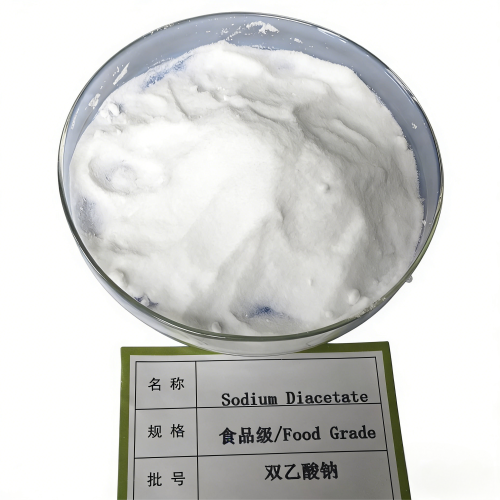 Sodium Diacetate
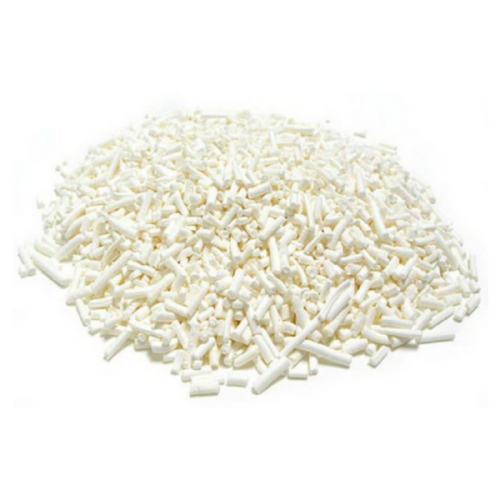 Potassium sorbate
 Benzoic Acid, Food Grade
 Sodium Acetate Trihydrate
 Sodium Aluminum Phosphate, SALP
 Calcium Acetate
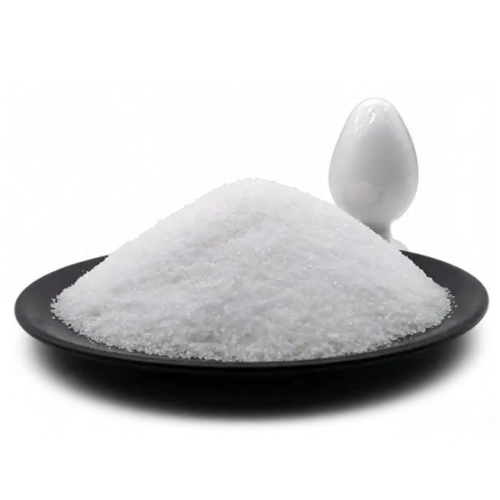 Anhydrous Potassium Acetate
 Sorbic acid
 Ammonium Acetate
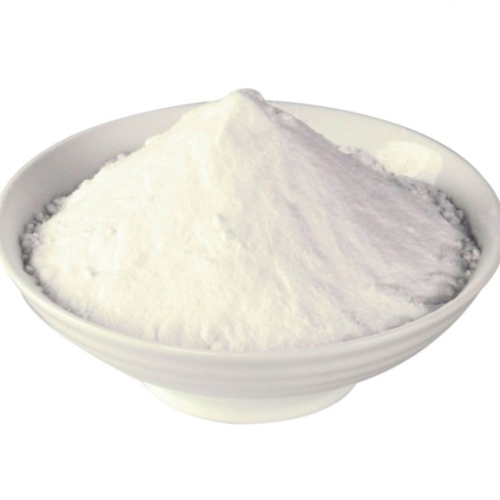 Sodium benzoate
 Ammonium Lauryl Sulfate, ALS, K12A
 Diisononyl phthalate DINP