Technical Datas
|
Items
|
Standards
|
|
Content
(C4H6O4Ca,In terms of anhydrous matter)
|
98.0-102.0%
|
|
Moisture
|
≤7%
|
|
Fluoride(as F)
|
≤0.005%
|
|
Chlorides(as Cl)
|
≤0.05%
|
|
Sulfates (SO4)
|
≤0.1%
|
|
Lead (Pb)
|
≤2mg/kg
|
|
Arsenic(As)
|
≤2mg/kg
|
|
pH value (20g/L)
|
6.0-8.0
|
Physical Properties
Appearance: White or almost white, odorless or almost odorless, hygroscopic powder or crystalline solid
Density: Relative density 1.50
Solubility: Readily soluble in water (approximately 37 g per 100 g water at 0°C, decreasing to about 29-30 g at 100°C); slightly soluble in ethanol
Decomposition: Decomposes at 160°C to produce acetone vapor and calcium carbonate
Stability: Very hygroscopic; the anhydrous form is especially moisture-sensitive, making the monohydrate the common form
Chemical Properties
Thermal Decomposition: When heated to 160°C, it decomposes according to the reaction:
(CH₃COO)₂Ca → CH₃COCH₃ + CaCO₃
Acid Reaction: Reacts vigorously with strong acids to produce acetic acid fumes
Flammability: Flammable; can form a flammable gel when mixed with alcohol (used in products like "Sterno" and "California snowballs")
Main Applications and Uses
1. Food Industry (E263)
Calcium Fortifier: Serves as an easily absorbable calcium source in dairy products, cereals, beverages, and infant food (better absorption than inorganic calcium)
Coagulant: Used in tofu production, creating a more uniform, tender gel structure with improved water retention compared to traditional gypsum
Preservative/Antimold: Extends shelf life of bread, baked goods, and pastries by 2-3 times by inhibiting mold and bacterial growth
pH Regulator: Functions as a buffer to stabilize acidity in beverages, jams, and pickled foods
Multifunctional Additive: Acts as sequestrant, stabilizer, flavor enhancer, and processing aid
2. Medical and Pharmaceutical
Oral Calcium Supplement: High solubility in gastrointestinal tract makes it suitable for individuals with low stomach acid (e.g., elderly, children)
Phosphate Binder: Used to treat hyperphosphatemia in chronic renal failure patients by binding dietary phosphate in the GI tract to form insoluble calcium phosphate for excretion
3. Industrial Applications
Acetone Production: Classic industrial method involving pyrolysis at 400-500°C to generate acetone and calcium carbonate, still used for small-scale, high-purity acetone
Chemical Reagent: Laboratory reagent for organic synthesis, water hardness testing, and synthesis of other calcium compounds
Textile Industry: Used as a mordant to fix dyes
Soap Manufacturing: Acts as an alkali (base) in soap production
Corrosion Inhibitor: Used as corrosion阻抑剂 in various applications
Eco-friendly Deicing Agent: As a road deicer, it reduces concrete erosion by over 60% and metal corrosion by 40% compared to traditional chloride salts, suitable for bridges and airports
4. Other Specialized Uses
Used in synthesis of dye-sensitized solar cells
Applied in polyester industry
Forms flammable gels with alcohol for specialized fuel products

 Rubber & Plastic
 Paint & Glue
 Home & Personal Care
 Food & Feed
 Industrial Cleaning & Disinfection
 Others
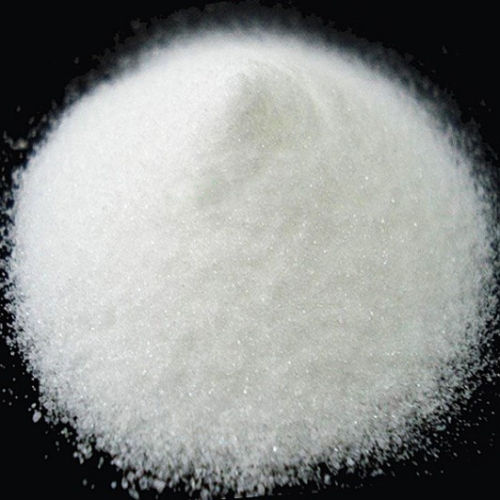 Sorbic acid
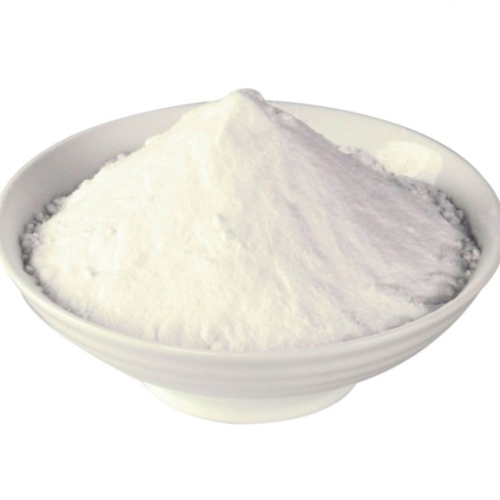 Sodium benzoate
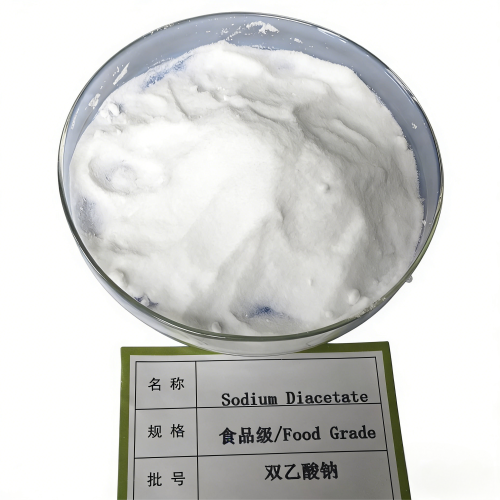 Sodium Diacetate
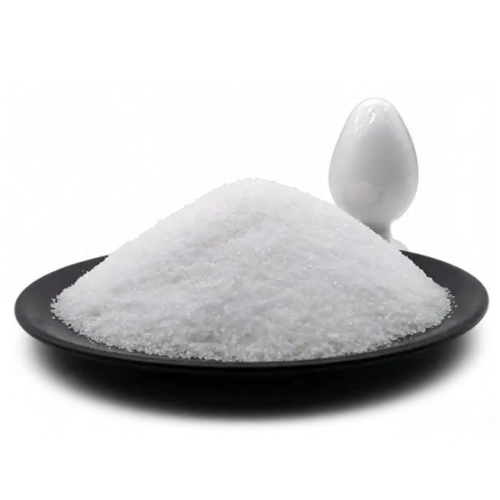 Anhydrous Potassium Acetate
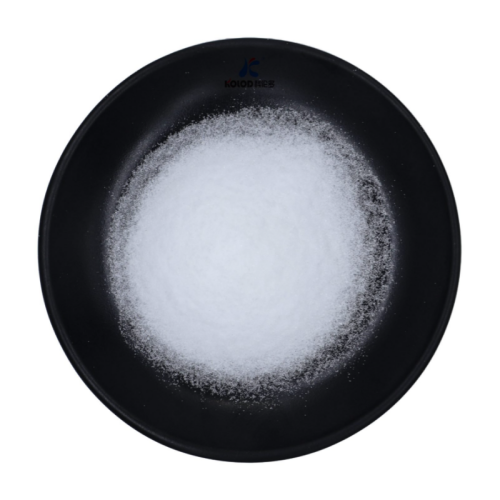 Ammonium Acetate
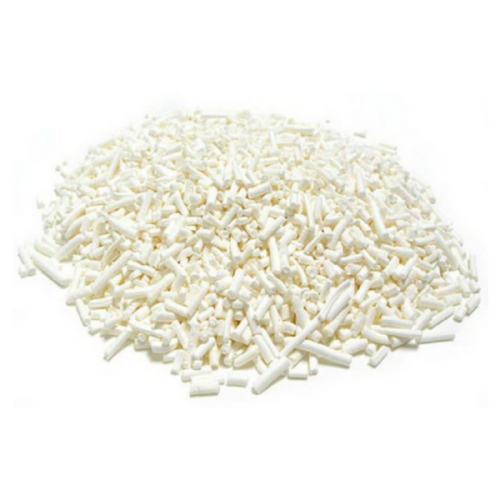 Potassium sorbate
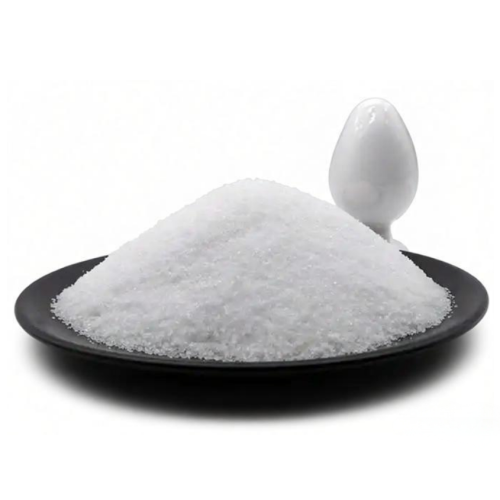 Anhydrous Sodium Acetate
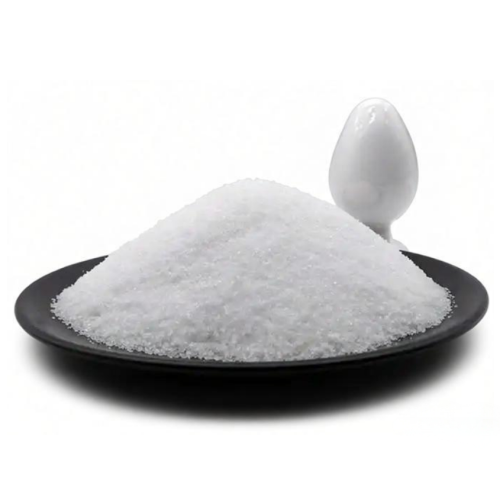 Sodium Acetate Trihydrate
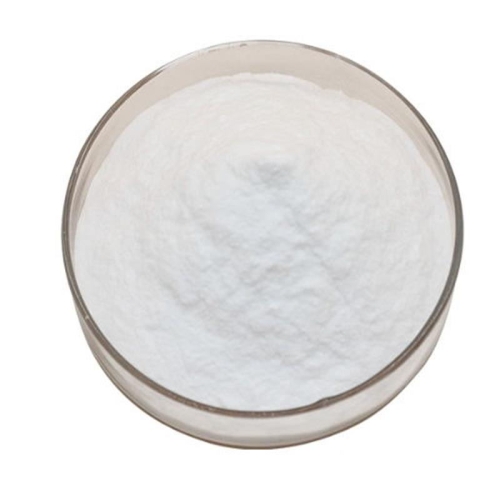 Sodium Aluminum Phosphate, SALP
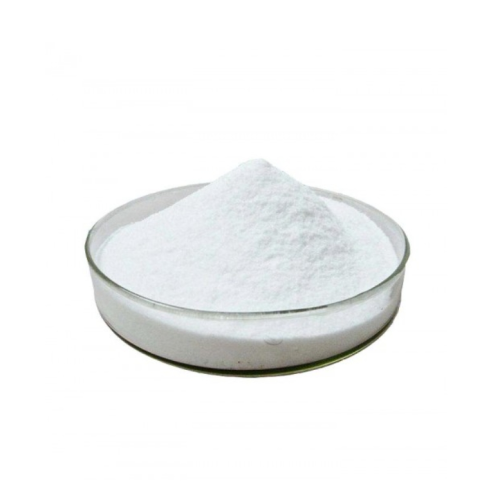 Benzoic Acid, Food Grade
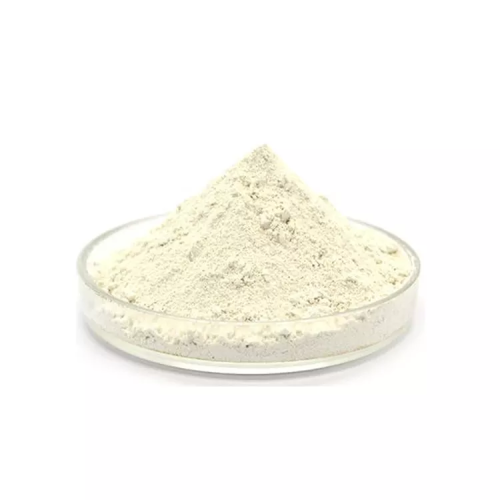 Tetramethylthiuram Disulfide TMTD
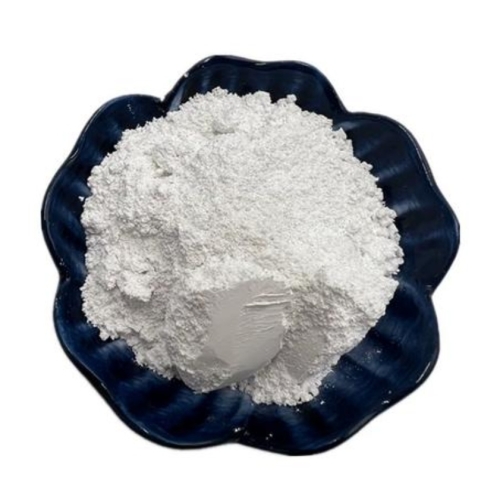 Calcium Carbonate (Food Grade)